Games & Activities Learning Objectives
Explore six learning objectives that help learners build early access skills, from cause and effect through to more confident choice making.
A progression that grows with your learners.
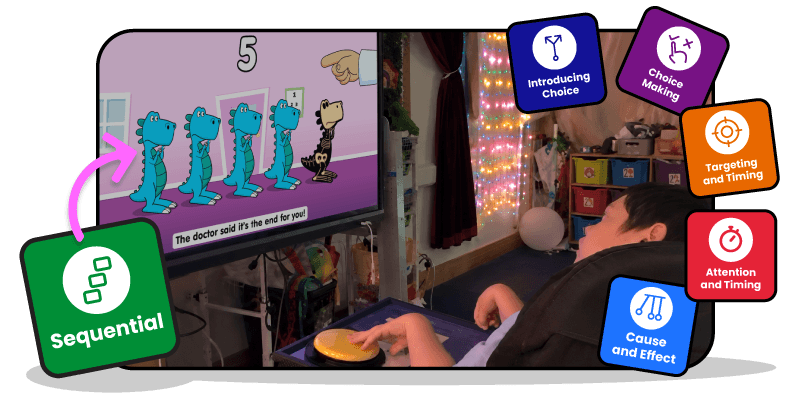
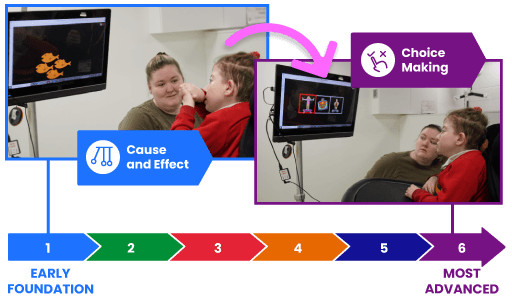
Games & Activities is organised into six meaningful learning objectives. Together, they help learners build skills step by step, from early action and response through to more intentional interaction, communication and choice making. This progression can help educators, therapists and families choose activities that match a learner’s current stage, while supporting steady development over time. This is a helpful guide, not a fixed route. You can start wherever your learners need the most support. Learners can build these skills using the access method that suits them best, including touch, switches, eye gaze, mouse and keyboard.
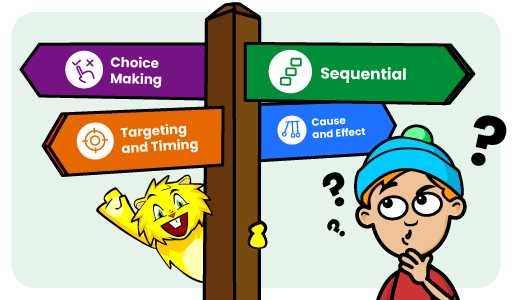
Learning objectives at a glance
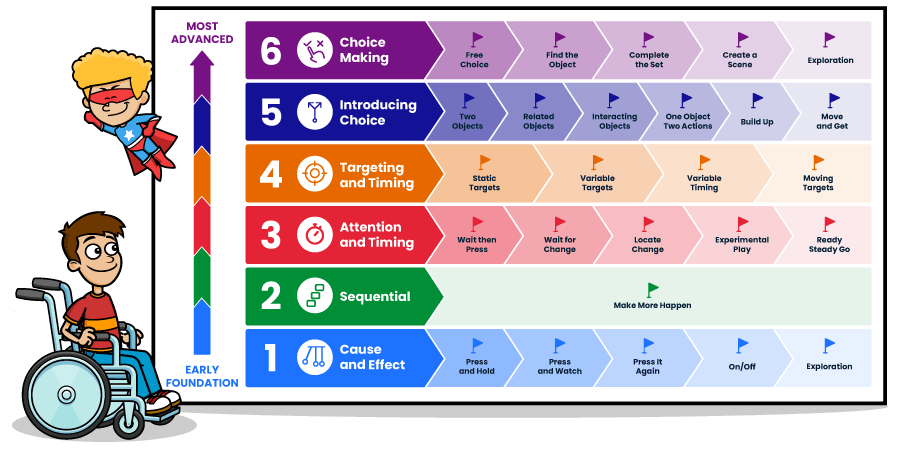
See the learning objectives and milestone progression below.
Early learning objectives.
These first three objectives support the early foundations of access, attention and interaction. They are often a useful starting point for learners who are beginning to explore how their actions can create a response, continue an activity or happen at the right moment.
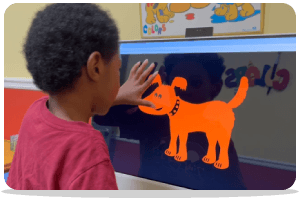
Cause and Effect
Cause and Effect helps learners discover that what they do can make something happen. This might be a switch press, a touch, an eye gaze selection or another access method that creates a clear and motivating response.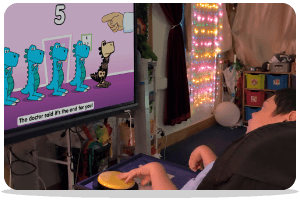
Sequential
Sequential activities help learners experience events that unfold step by step. They encourage repetition, routine and understanding of order, which can support early communication, literacy and everyday task skills.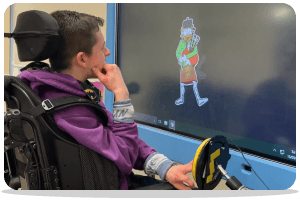
Attention and Timing
Attention and Timing helps learners practise waiting, watching and responding at the right moment. These activities support focus, anticipation and more intentional use of their access method.
Progressing towards targeting and choice.
As learners develop more control and confidence, the next objectives introduce greater accuracy, purposeful interaction and decision making. These stages help learners move from simply making something happen towards choosing, problem solving and expressing preferences.
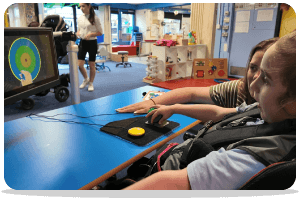
Targeting and Timing
Targeting and Timing activities help learners build accuracy by responding to the right object at the right time. This supports accuracy, focus and more purposeful access.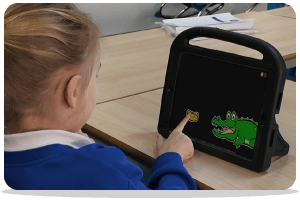
Introduce Choice
Introduce Choice gives learners opportunities to explore options and notice that different actions can lead to different outcomes. It supports early decision making, experimentation and problem solving in an accessible way.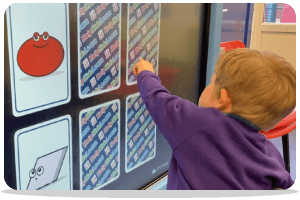
Choice Making
Choice Making helps learners make more intentional selections, show preferences and take a more active role in their learning. These activities support communication, independence and confidence through meaningful choices.
How to use the learning objectives.
The learning objectives can help you choose activities that match where your learner is now, rather than where you feel they “should” be. The progression helps to support flexible, learner-led planning. You might use them to identify a starting point, plan a small next step, revisit an earlier skill, or choose activities that match a learner’s preferred access method. For example, one learner may be ready to practise timing and targeting, while another may still be building confidence with early cause and effect.
Who can use the learning objectives?
The learning objectives can support educators, therapists and families working with learners who are developing early access, communication and interaction skills. They can be especially useful for learners who are: • Beginning to understand cause and effect. • Developing switch, touch or eye gaze access. • Building focus, timing and targeting skills. • Learning to make choices and show preferences. • Working at a pre-literacy or early literacy stage. • Benefiting from motivating, accessible activities.
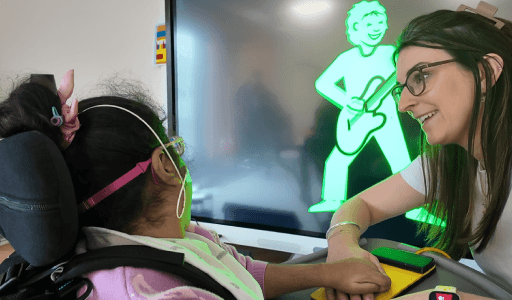
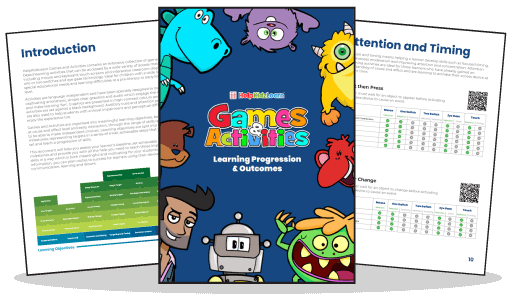
Download the Learning Progression and Outcomes guidebook.
Want to plan the right next steps for your learners? Download the free Learning Progression and Outcomes guidebook to explore each learning objective, understand the milestones within each stage and choose activities that match the access methods you'd like to use with your learner.
Games & Activities learning objectives FAQs
What are the Games & Activities learning objectives?
The Games & Activities learning objectives are six stages of progression that help learners build skills from early cause and effect through to more confident choice making.
Which learning objective should I start with?
Start with the objective that best matches your learner’s current skills. Cause and Effect is often the starting point, but learners can begin wherever they need the most support.
Do the learning objectives have to be followed in order?
Not always. The progression is a helpful guide, but it is not a fixed route. Learners may move through objectives at different speeds or revisit earlier stages when needed.
Which access methods can learners use?
Games & Activities supports touch, switches, eye gaze, mouse and keyboard, helping learners take part using the access method that suits them best.
Who are the learning objectives for?
They are designed for educators, therapists and families supporting learners with complex special educational needs, especially those building early access, interaction, communication and choice-making skills.
Can I download a guide to the learning progression?
Yes. The free Learning Progression and Outcomes guidebook gives more detail on each learning objective, the milestones within each stage and how to choose suitable activities for your learners.