Sequential Learning Activities for SEND.
Sequential learning activities that help learners understand order, routines and step-by-step events, building early literacy, independence and confidence through motivating play.
What is sequential learning?
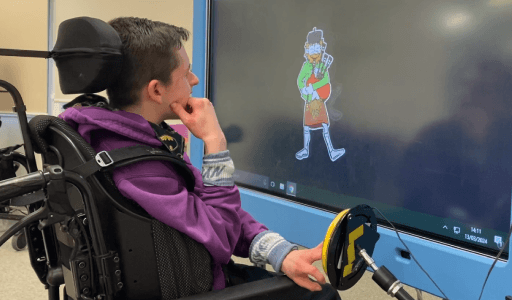
Sequential activities help learners practise “do one thing, then do it again” to make more happen. In Games & Activities, these are often called Make More Happen activities. The built-in pauses create a natural moment to wait, notice what is happening, and then re-activate to continue the sequence. This milestone is a strong next step after Cause and Effect, because it keeps the interaction simple while adding a clear structure that supports purposeful re-activation.
Why does sequential learning matter?
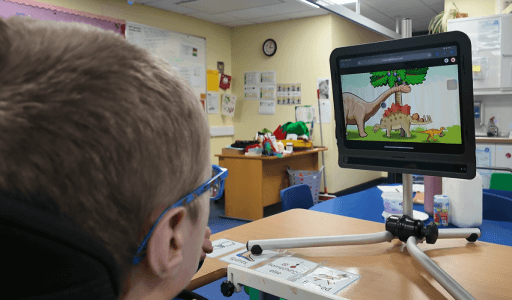
Sequential skills support many parts of learning and everyday life. They can help learners follow routines, understand simple processes, take part in songs and stories, and complete tasks more independently. These skills are also important for communication and early literacy development. Over time, that pattern can support attention, timing, and the confidence to take the lead with less prompting.
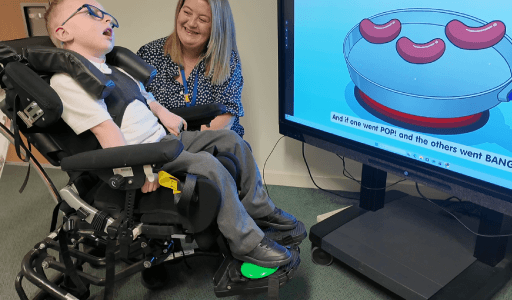
Start here if this sounds familiar.
Sequential can be a great fit when a learner can activate an activity and is ready to practise pressing again to continue, especially if they benefit from predictable patterns and clear pause points. It can also work well when you want to build a calm routine that is easy to repeat across days, adults, and settings.
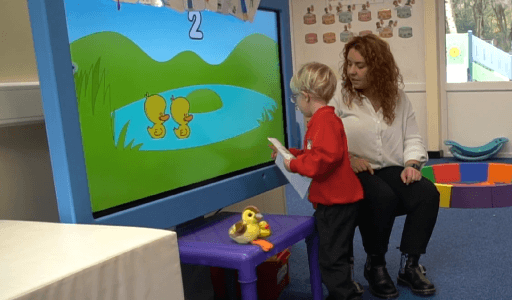
A simple first session.
Choose an access method that is comfortable and consistent for the learner today. Pick one Sequential activity and run it a few times so the pattern becomes familiar. Use the pause as your teaching moment, model once, then wait for the learner to take the next step. Keep language calm and consistent, and finish on success. A simple cue that works well is: “Ready… press.” If a learner needs lots of prompting, repeat the same Sequential activity next time rather than changing it straight away. Familiarity helps them focus on the pattern, not the novelty.
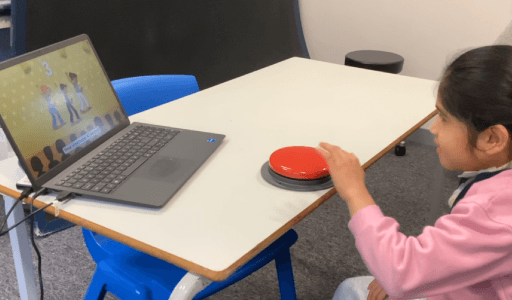
What success can look like.
When the activity pauses, try to avoid filling the space with extra prompts. Instead, keep the moment predictable. Say one short cue, then wait. Over time, learners may begin to anticipate the pause and re-activate more independently. If the learner presses too quickly during the pause, that is useful information. It may mean they need more practice with waiting and pacing, which can be supported in the next milestone.
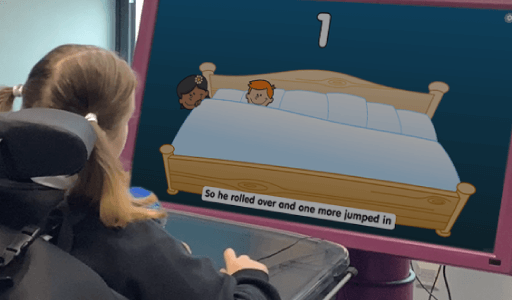
Where can learners go next?
Once learners are beginning to understand sequences and order, they may be ready for Attention and Timing activities, where the focus shifts towards waiting, noticing and activating at the right moment.