Introduce Choice Activities for Learners with Complex Needs.
Introducing choice helps learners move beyond simple cause and effect into a stage of thinking, experimenting and exploring different outcomes. It is an important step in building decision making, interaction and early communication skills.
What does introducing choice mean?
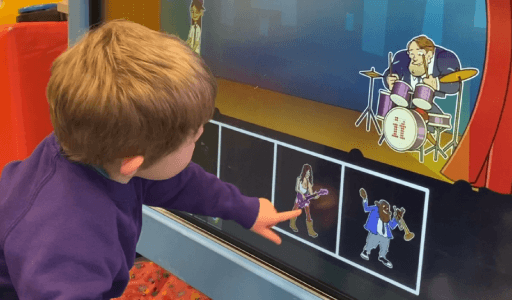
Introduce Choice activities help learners practise making a simple, meaningful selection between options. This milestone is designed to make early choice-making feel safe and achievable, with clear visuals, predictable outcomes and plenty of repetition. In Games & Activities, Introduce Choice gives learners the opportunity to see that different choices can lead to different results, helping them build confidence, preference and more purposeful interaction.
Why introducing choice matters.
Choice-making is an important part of communication, independence and participation. Before learners can manage more complex decisions, it helps to begin with clear, simple options where the outcome is easy to understand. Introduce Choice supports learners to move from “I can activate” towards “I can choose”, building the foundations for communication, self-expression and more independent decision-making.
Start here if this sounds familiar.
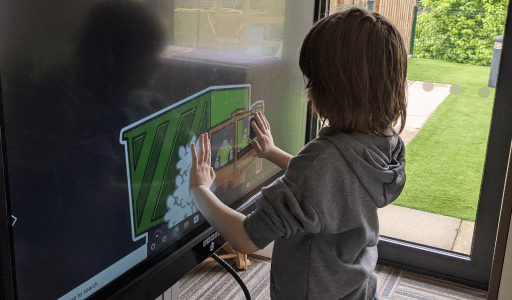
Introduce Choice can be a good fit when a learner can activate or target more reliably and is ready to choose between clear options. It can also help learners who are beginning to show preferences, repeat a favourite option, or benefit from predictable activities where each choice leads to a clear response.
Introduce choice milestones
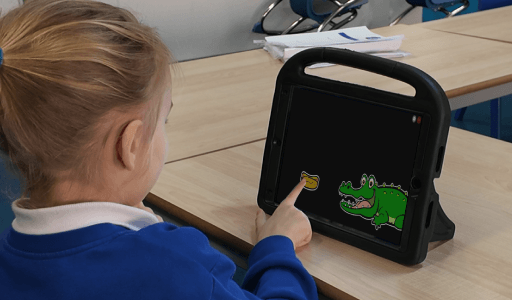
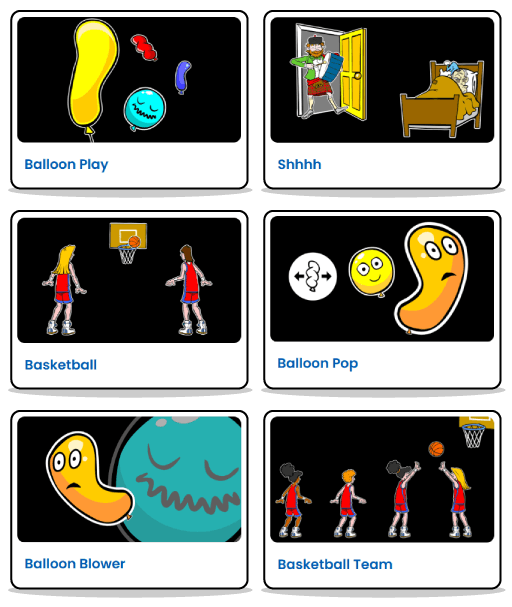
Introduce Choice activities are organised into six milestones that help learners explore options, notice different outcomes and begin making more intentional choices. • Two Objects gives learners a clear and accessible starting point by offering two simple options - e.g. Baloon Play. • Related Objects allows the learner to choose between objects where one may affect or interrupt the other - e.g. Shhh. • Interacting Objects encourage learners to explore how different choices can influence what happens next - e.g. Basketball. • One Object Two Actions introduces the idea that one object can lead to more than one result, helping build understanding of choice and consequence - e.g. Balloon Pop. • Build Up is where a learner completes one part of a sequence before triggering a result to add a little more structure - e.g. Balloon Blower. • Move and Get is where a learner moves one object into place before activating another, supporting intentional action - e.g. Basketball Team.
A simple first session.
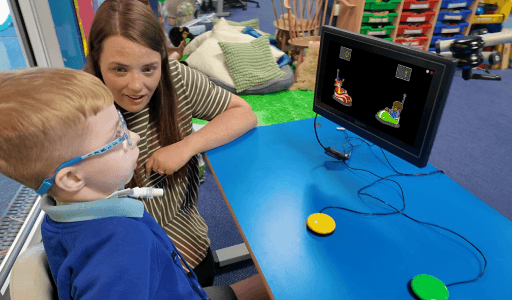
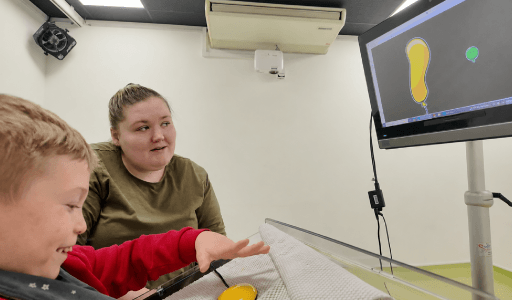
Choose an access method that is comfortable and consistent for the learner today. Start with two clear options and keep the routine simple. Name each option, pause, and give the learner time to respond. If support is needed, keep it gentle and consistent, then reduce it slowly as confidence grows. You do not need to introduce lots of different choices straight away. Repeating a familiar format can help learners understand that their selection matters.
What success can look like.
Progress might look like a learner looking between options, repeating a preferred choice, selecting with less support, or showing a clearer reaction to different outcomes. You might also notice them pausing before choosing, showing anticipation, or beginning to understand that each option does something different. These small signs can show that the learner is moving from simple activation towards more meaningful selection.
What comes next?
Once learners are beginning to understand that different options can lead to different outcomes, they may be ready for Choice Making activities, where they can explore preferences, decision making and more independent interaction in greater depth.