Cause and Effect Games for Special Educational Needs.
Explore accessible cause and effect activities that help learners understand their actions can make something happen, building early engagement, control and confidence. Follow a simple starting pathway to help learners experience an early “I did that” moment, then build step by step towards more independent access.
What is cause and effect?
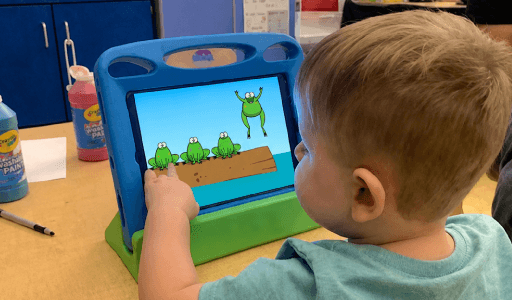
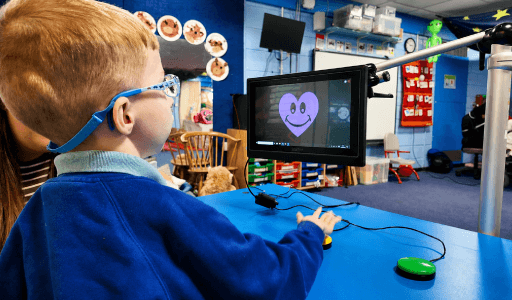
Cause and effect is the understanding that an action leads to a result. For some learners, this may begin with pressing a switch, touching the screen or using eye gaze to make something happen. This early understanding helps learners explore their environment more intentionally and lays the foundations for communication, choice making and independent interaction.
Why is cause and effect important?
Cause and effect is one of the earliest building blocks of learning. Before learners can make more independent choices or engage with more structured tasks, they first need to understand that their actions have meaning and can influence what happens around them. Developing this skill can help support engagement, curiosity, confidence and a stronger sense of control.
Start here if this sounds familiar.
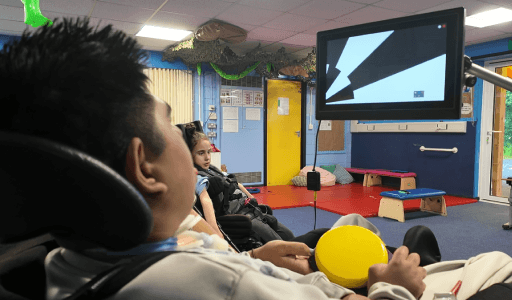
Cause and Effect is often the best starting point when a learner needs a quick, clear sense of control. It works well for learners who are new to touch, switches or eye gaze, or who need immediate feedback to stay engaged. The aim is simple: help them experience that “I did that” moment, then build confidence from there.
How Games & Activities supports cause and effect.
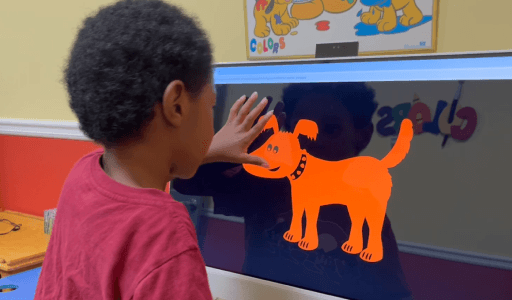
Games & Activities includes different types of cause and effect activities, organised into milestones. These milestones help learners build early interaction in ways that match their stage and preferred access method. You do not need to try everything at once. Choose one route, repeat it across a few sessions, then build from there.
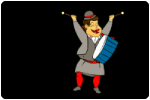
Press and Hold
The response only happens while the learner is activating. This helps build a clear link between action and outcome. Best when the learner needs immediate control.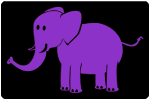
Press and Watch
A single activation triggers an event that continues for a short time. This helps learners begin to understand that one action can create a result. Best when they can press once and wait.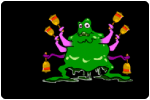
Press It Again
Each new activation creates another response. This encourages repetition, experimentation and more active control. Best when they are ready to repeat intentionally.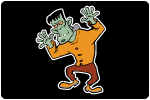
On/Off
An event starts following a single activation of the learner's access device and continues until they activate it again to stop it. Best when they are ready to start and stop an action with separate activations.
Exploration
The learner activates or moves to create different effects across the screen. This supports curiosity, discovery and more open-ended interaction. Best when they are ready to activate and move.
A simple first session.
Start by choosing the access method that is most comfortable and consistent for the learner today. You can adjust this later as confidence grows. Pick one activity type and run just one or two activities. Model once, then pause and give the learner time to take the lead. Keep language calm and consistent, then stop while it is still positive. Short, successful sessions build motivation and make progress feel achievable. A simple routine that works well is: choose an access method, repeat one activity type across a few sessions, model once then wait, and finish on success.
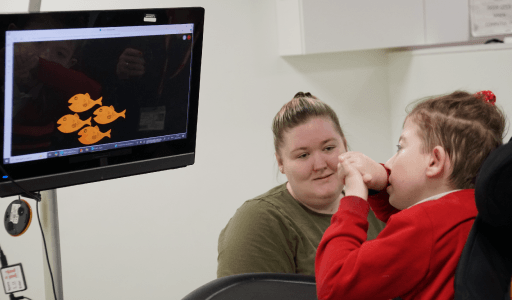
What success can look like.
Progress can be small and still meaningful. You might notice the learner repeating an action to make the effect happen again, pausing and waiting for a cue rather than pressing immediately, looking towards the screen or target before activating, or beginning to anticipate the next step as the pattern becomes familiar.
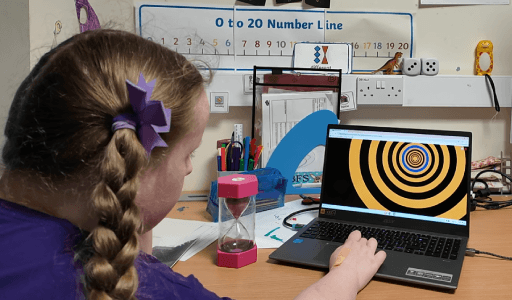
Next step in the learning progression.
Once learners are beginning to understand that their actions make something happen, they may be ready to build on this. When this starts to feel consistent, you can build on it with a pause and restart pattern with Sequential, where learners practise “press again to make more happen”.