Sensory Space vs Games & Activities
Compare Sensory Space and Games & Activities to find the best starting point for your learner.
How do they compare?
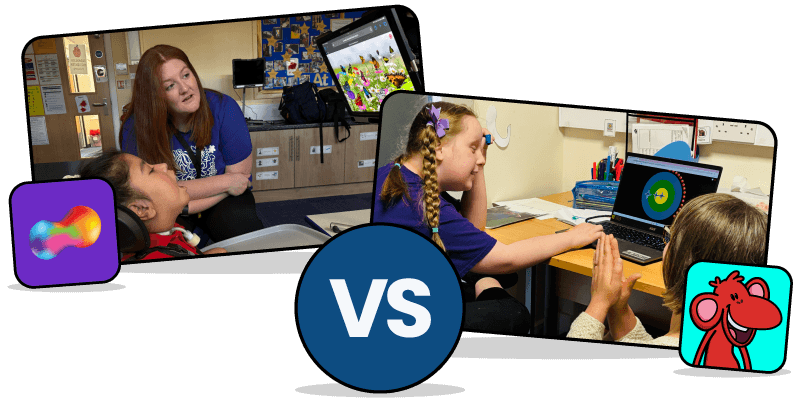
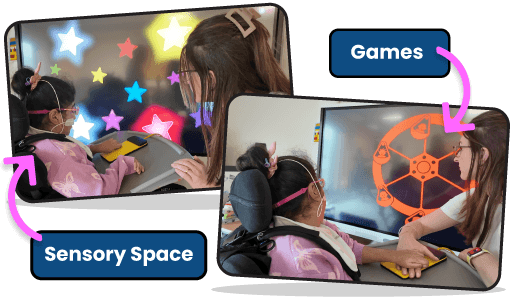
Sensory Space and Games & Activities both support accessible learning and early skill development. They share a number of cause and effect milestones and can be accessed using touch, switches, eye gaze and mouse. The difference is in the type of experience they provide. Sensory Space focuses more on sensory engagement, regulation and early interaction, while Games & Activities offers a broader structured progression of access skills.
Choose Sensory Space for sensory exploration, calm and early interaction.
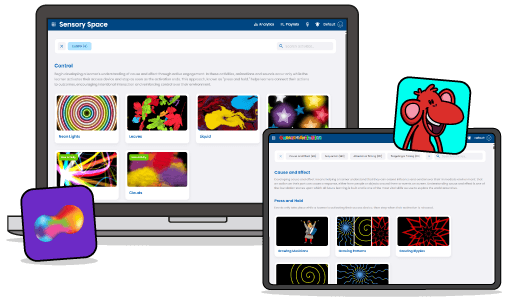
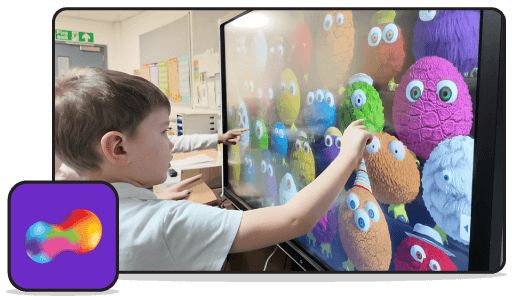
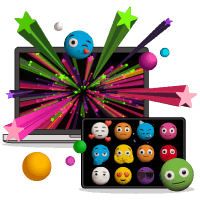
Sensory Space is designed for learners who benefit from immersive visual and auditory experiences. It supports sensory exploration, attention, early interaction and cause and effect, while also giving educators the flexibility to create calmer, more personalised sessions. Activities can be adapted to suit each learner, including changes to music and colours, making Sensory Space useful for engagement, regulation and creating a comfortable environment for learning.
Choose Games & Activities to build access skills.
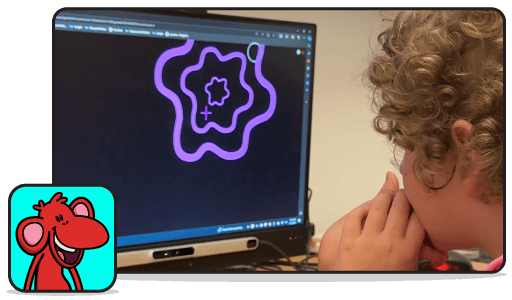
Games & Activities provides a broader progression of structured activities designed to help learners develop access and interaction skills. Learners can work from early cause and effect through sequencing, timing and targeting to more purposeful interaction and choice making. Activities are organised around learning objectives so educators can choose a level that matches the learner’s current skills.
Which should I start with?
Sensory Space
Best when the focus is sensory engagement, calm, exploration, early interaction or cause and effect.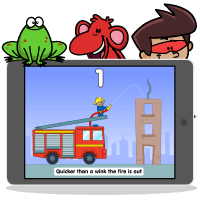
Games & Activities
Best when the focus is building access skills through structured activities, including cause and effect, sequencing, timing, targeting and choice making.
Both
Useful when a learner benefits from sensory engagement as well as structured skill-building activities.
Can learners use both?
Yes. Sensory Space and Games & Activities are designed to complement each other. A learner may use Sensory Space for sensory engagement, regulation and early access skills focused on cause and effect, while also using Games & Activities to develop more structured access skills. The two products share several cause and effect milestones, including press and hold, press and let go, press it again and more - helping learners practise similar skills through different types of activities and experiences. Some learners may spend more time in one product than the other depending on their current needs and goals. There is no fixed route.
What about switch, touch, mouse and eye gaze access?
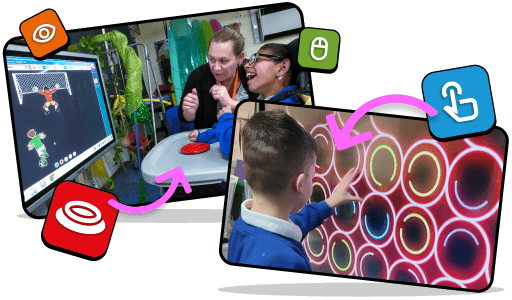
Sensory Space and Games & Activities support the same core access methods, including touch, switches, eye gaze and mouse access. This means learners can use either product with the access method that works best for them. Games & Activities also supports two-switch access, giving learners additional opportunities to develop more advanced switch skills. The access method alone doesn’t determine which product to choose. Think about the skills you want to support and the type of experience that will work best for your learner.
Still not sure where to start?
The best way to discover what works for your learners is to explore the activities for yourself. Start a free HelpKidzLearn trial and see how Sensory Space and Games & Activities could support your learners' skills, access and participation.