Sensory Space Success Stories
See how schools and organisations use Sensory Space to support engagement, cause and effect, and calm, regulated moments, with real examples and practical takeaways.
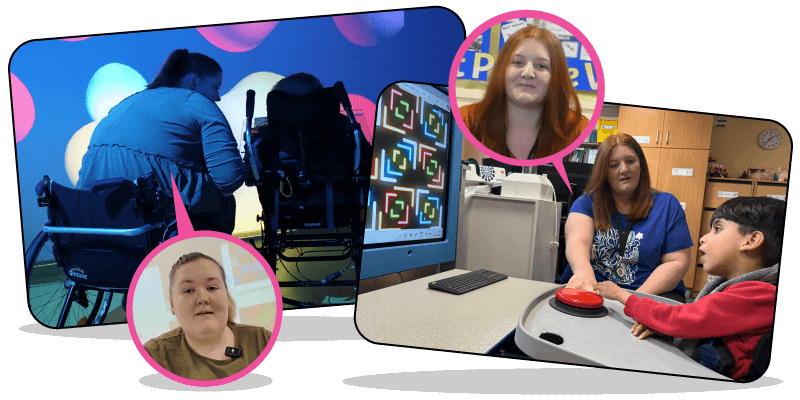
“One year on, we’re still seeing the impact.”
At Green Fold School, Sensory Space continues to support pupils with early cause and effect, choice making and growing confidence. A year after first trialling it, staff are still seeing those important moments of engagement and response that make such a difference. Read Caitlin’s one year on story to see how Sensory Space has become a meaningful part of learning for her pupils.
“A year on, it’s become part of everyday teaching.”
One year after first trying Sensory Space, Holly Grove School has shared how it is now being used across the curriculum to support attention, communication, turn taking and shared focus. Staff have found it easy to adapt for different learners and different classroom goals, helping make it a practical part of everyday teaching. Read how Samantha and Jenny have been using Sensory Space over the past 12 months, with real examples from the classroom.
“Every pupil can join in now.”
We caught up with Pendle View Primary School in Lancashire, where they’ve been using Sensory Space to build a more inclusive, joyful learning environment. By adapting everything from access methods like switches and eye gaze to visual settings for pupils with impairments, every child found a way to engage.
“He signed ‘more’.”
At Green Fold School, Sensory Space became more than just a digital tool, it created pure magic for one young learner called Oliver, who has PMLD. Using the Spaceship activity, Oliver's teacher moved his chair in time with the animation and suddenly, he was soaring through space. As the spaceship stopped, he signed “more”, eager to continue.
“They were completely captivated.”
When pupils at Holly Grove School tried Sensory Space for the first time, staff saw something special - immediate engagement, independent exploration, and moments of shared joy. Learners accessed it in a variety of ways, from iPads in a dark tent to interactive boards and laptops. No matter how they accessed it, they were drawn in.
“Sensory Space is quite a refreshing new thing.”
At Newfield School in Blackburn, Sensory Space is giving pupils with PMLD new ways to explore and engage. Gemma saw learners stay with activities for longer than expected and clearly enjoy the experience, especially when they could access it independently through eye gaze. With gentle support when needed and time to process, pupils began to request more and take the lead, creating calm, meaningful moments that felt truly theirs.