"It has that level of progression. We can push them, but still within the same familiar programme."”
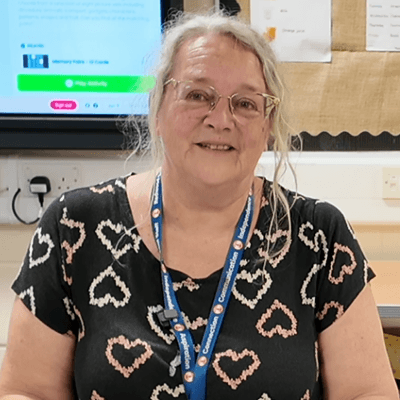
Paula Stott
Communication Lead and AAC Coordinator
At Redwood School, HelpKidzLearn Games & Activities is supporting learners to move from early cause and effect to confident choice making, helping staff build independence in small, meaningful steps.
Redwood School in Rochdale is a secondary special school supporting learners with a wide range of needs. Across the school, staff focus on helping pupils develop communication, independence, confidence and everyday life skills. Over the last three years, HelpKidzLearn Games & Activities has become an increasingly valuable part of that work. Used across different departments, it supports learners at a range of developmental stages, from early cause and effect through to choice making, switch access and more advanced interaction skills. For staff, one of the biggest benefits is that learners can keep progressing within a familiar and motivating environment. This idea of progression is central to how Redwood School uses HelpKidzLearn. It gives staff a consistent resource they can adapt around each learner, while helping pupils build confidence as they take their next step.
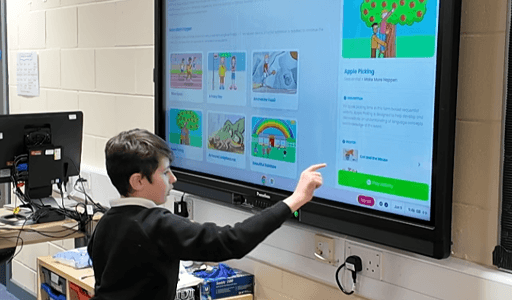
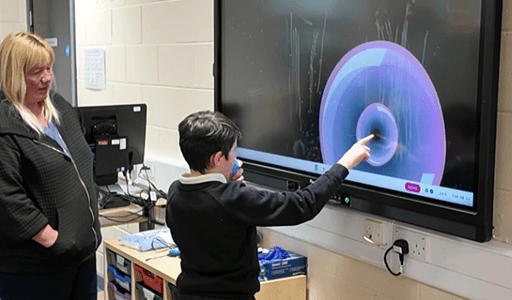
During our visit, staff showed how Games & Activities helps learners develop early access skills gradually, with clear opportunities for success. One learner began the session working on press-and-hold activities. Staff observed him increasing the length of time he could maintain activation, showing a growing understanding that his actions were creating a response on screen. As his confidence grew, he moved into Sequential Learning, where he began navigating between activities and making choices about what to access next. This progression, from practising a single access skill to independently choosing activities, was powerful to see. For pupils working on early interaction, these moments support cause and effect understanding, attention, engagement and independence.
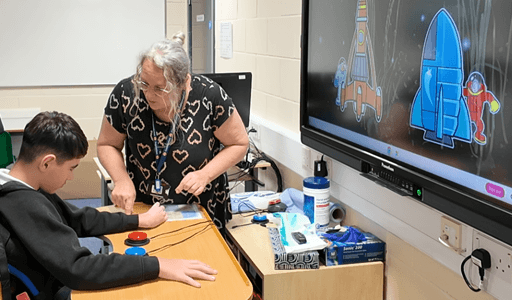
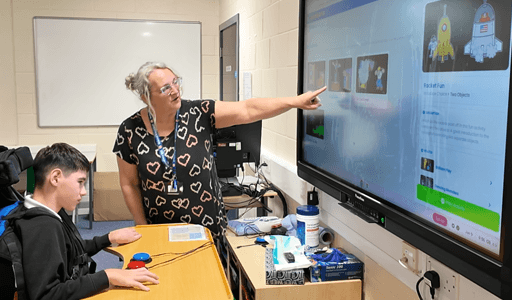
Games & Activities also supports learners who use alternative access methods, including switches. During the visit, one learner demonstrated impressive progress using two switches to navigate an activity. Staff were delighted to see him successfully access Funfair, an activity he had not used before. He used one switch to move through the available choices and a second switch to make his selection. This showed emerging scanning, decision-making and access skills. Although the task was challenging, the familiar structure of Games & Activities helped him focus on the skill itself rather than learning completely unfamiliar software. The clear visual responses and engaging content helped him stay motivated, while staff could support him as he developed greater confidence and control. This was a strong example of how HelpKidzLearn can be used to introduce more advanced access skills in a way that feels safe, familiar and achievable.
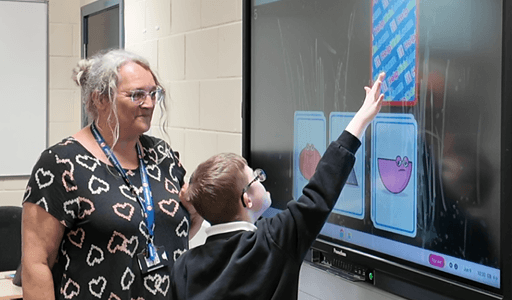
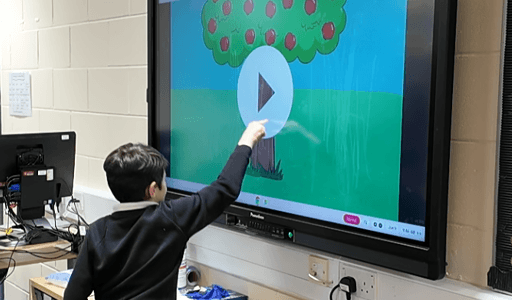
For many learners, communication development includes learning to wait, anticipate and respond at the right moment. Staff explained how some activities encourage pupils to pause and wait before activating the screen again, helping them process what is happening and understand their role in the interaction. One learner showed this beautifully by waiting for an activity to finish before activating it again. These moments may seem small, but they represent important progress in attention, timing and understanding. The predictable structure also gives staff opportunities to talk through what is happening on screen, creating shared moments of communication and engagement. Games & Activities also supports social interaction. During a Matching Pairs activity, one learner worked alongside Paula, taking turns as they explored different themes together. He began with four cards before progressing to six, practising recognition, matching, turn taking and choice making. The ability to choose different themes helped keep the activity personal and engaging. Learners were building skills while also experiencing success, connection and fun.
Choice making is an important part of learning at Redwood School, and staff value how Games & Activities encourages learners to take an active role. "It's their individual choice," explained Teaching Assistant Tina. "It's used to support independence, and the children really enjoy that." The variety of activities and themes gives learners meaningful choices throughout a session. They can choose what they want to play, which theme interests them, or what they would like to do next. These choices help pupils express preferences and take more control of their learning experience. For many learners, repeated opportunities to make choices build confidence over time. They also encourage pupils to become more engaged because the activity reflects their own interests and decisions.
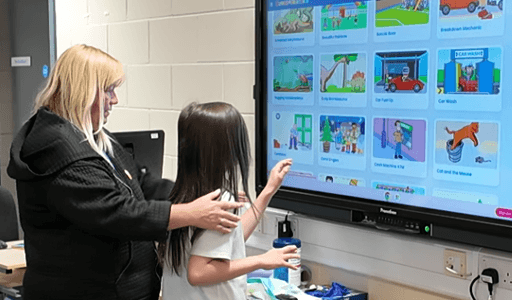

Redwood School follows a thematic curriculum, and staff have found that the wide range of themes in Games & Activities makes it easy to link activities to current learning. Staff explained that they have not struggled to find activities that fit with the themes being taught across the school. The software also supports preparation for adult life, particularly in sixth form. Everyday tasks, such as using a cash machine or washing machine, help learners practise skills connected to independence in an accessible and motivating way. For staff, this means Games & Activities can support both curriculum learning and wider independence goals.
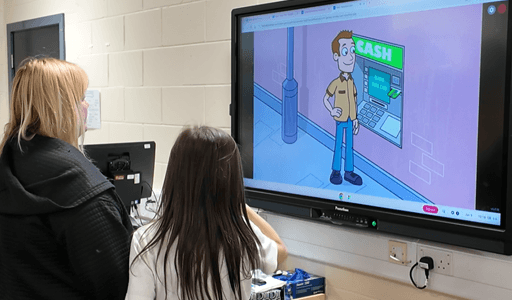
Staff at Redwood School also value the Student Profiles and Student Analytics within Games & Activities. Profiles help staff set up activities around each learner’s needs, rather than relying on default settings. They also support continuity, as another member of staff can open a profile and quickly see what a pupil needs. Analytics can help staff understand how learners are accessing activities, including accuracy, missed hits and whether switch activations appear deliberate. This is particularly useful when learners are first developing access skills. As Games & Activities has become more widely used across the school, staff have found it easy to introduce to colleagues. The clear layout, accessible folders and wide range of activities make it easier to share ideas, adapt activities and use the software consistently across departments.
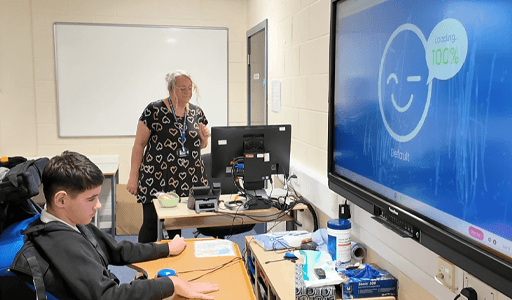
The web-based platform has made Games & Activities even easier for Redwood School to use across the school day. Staff have added it as an icon on iPads, so learners can open it independently without needing an adult to search for the website or set it up for them. This simple change has supported greater independence. Learners can access familiar activities more easily, and staff described how some pupils choose to open Games & Activities because they enjoy using it. For pupils who benefit from routine, familiarity and safe digital access, this gives them more control and helps them engage with learning in a way that feels comfortable and motivating.
Across the visit, one theme came through clearly: Games & Activities is helping learners take greater ownership of their learning. Whether pupils are developing cause and effect, practising switch access, making choices, waiting, taking turns or accessing activities on an iPad, staff are using HelpKidzLearn to create meaningful opportunities for independence. As Paula and Tina summed up so simply, "The children love it."